
 Perth, Australia: Turning to the Ocean for Water Security
When the rain stops, where does a city get its water?
For most cities, turning on a tap is something we rarely think about, but what happens when the rainfall that has supplied a city for generations begins to disappear? Perth, in Western Australia, has faced exactly that challenge. Over recent decades, rainfall has declined significantly, placing increasing pressure on traditional water sources such as reservoirs and groundwater. Rather than waiting for the problem to worsen, Western Australia began investing in large-scale seawater desalination — turning the ocean into a reliable source of drinking water.
Today, Perth’s desalination plants produce high-quality drinking water and provide a supply that is far less dependent on rainfall. However, what does that actually look like in practice, and how has the city changed the way it thinks about water security?
What has been implemented?
To strengthen Perth’s long-term water security, Western Australia has invested in a combination of large-scale seawater reverse osmosis (SWRO) desalination, integration into the city’s wider drinking-water network and a more diversified approach to water supply. Rather than relying as heavily on rainfall-dependent reservoirs and groundwater, desalination provides another source that can continue operating when rainfall is low.
Renewable energy initiatives and offsets have also been used to help address some of the energy requirements associated with desalination. The result is a water system that draws from several sources rather than relying on one alone. Today, desalination is a substantial part of Perth’s water strategy, helping the city maintain a reliable supply despite a changing climate.
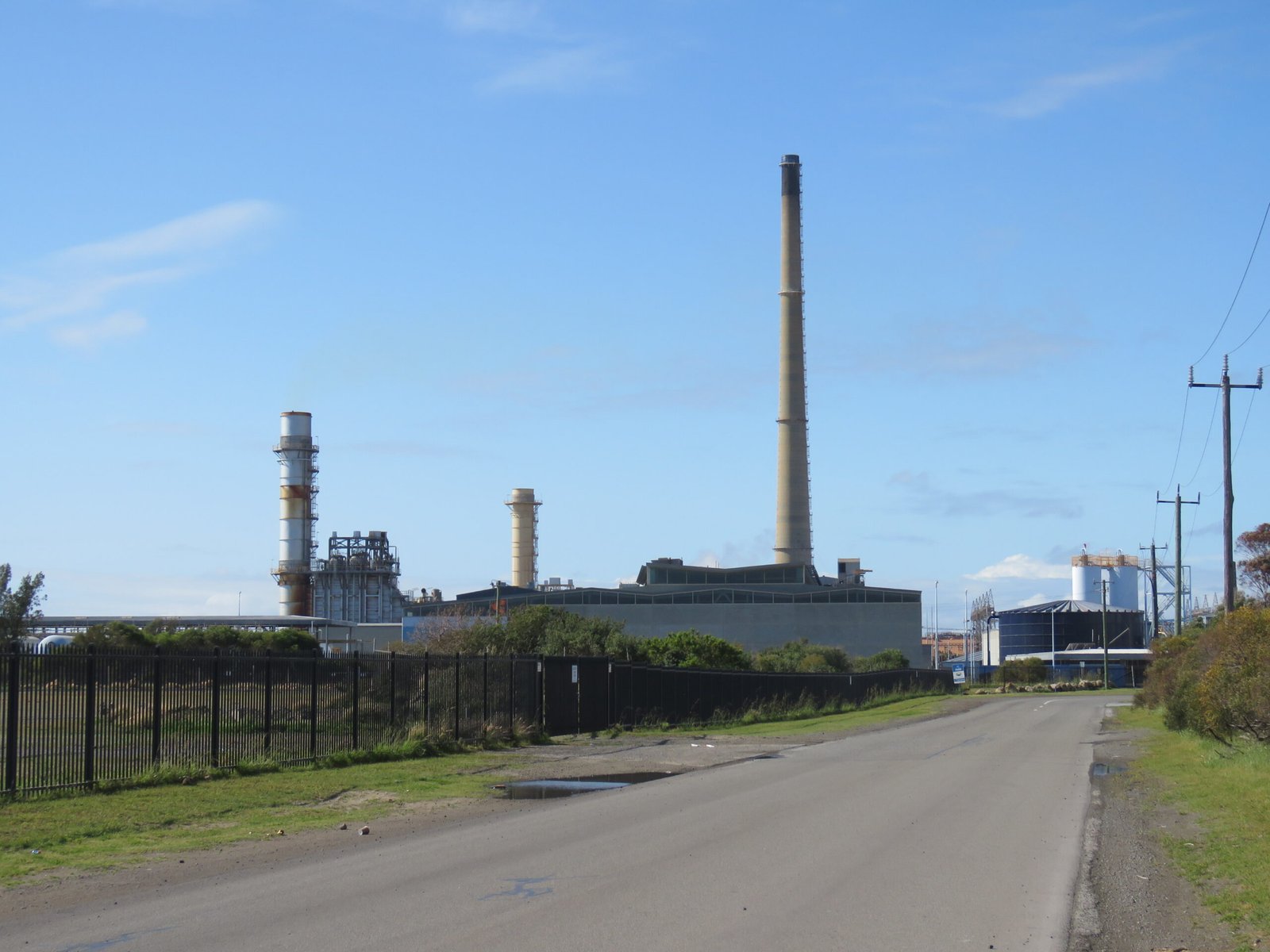 Perth Seawater Desalination Plant, Western Australia. Photo: Calistemon / Wikimedia Commons, CC BY-SA 4.0.
Why does it matter?
What makes Perth’s approach particularly interesting is that it represents more than simply building a new piece of infrastructure. Traditionally, cities have relied heavily on natural water cycles:
Rain → Reservoirs → Treatment → Homes & Businesses
For Perth, that model was becoming increasingly vulnerable as rainfall patterns changed. Desalination introduced another option:
Ocean → Desalination → Drinking Water
Instead of simply reacting when water levels fall, the city has invested in infrastructure designed to make the wider system more resilient. For a growing city in a drying climate, securing a reliable supply of such an essential resource is a significant achievement, but does creating greater resilience in one area create new challenges in another?
The bigger sustainability picture
Desalination isn’t without its obstacles. It requires significant amounts of energy, relies on advanced infrastructure and creates concentrated brine that needs to be carefully managed. There are also long-term operational and financial considerations involved with running large-scale desalination facilities. So while the ocean may provide an effectively unlimited source of water, accessing it isn’t without a cost.
This is where Perth’s example becomes particularly interesting from a sustainability perspective. The initiative has environmental benefits, social importance and economic implications, but none of these exist in isolation. A more reliable water supply may reduce pressure on freshwater resources and provide greater security for communities, while the infrastructure required comes with its own energy demands, environmental considerations and financial costs.
Perhaps sustainability isn’t always about finding a perfect solution. Perhaps it’s about understanding the different trade-offs, finding what works in a particular place and building systems that can adapt when circumstances change.