
 Burkina Faso: Ouagadougou's Green Belt
A ring of green around a growing city
Surrounding a city in one of the world’s hotter and drier regions is a surprising sight: a stretch of green. Around Ouagadougou, Burkina Faso’s capital, trees, gardens and cultivated land form what is known as the Green Belt — an area that has been part of the city’s landscape since the 1970s. It was originally created to help protect the city from desertification and land degradation, but its purpose has grown over time.
Today, the Green Belt sits at the intersection of some much bigger challenges: how to protect land, produce food, support livelihoods and make a growing city more resilient to a changing climate. What looks like a simple band of green is actually a much more complicated story about how a city uses the land around it.
What has been implemented?
The Ouagadougou Green Belt is a large area of vegetation and cultivated land surrounding parts of the city. It was originally established as a way of creating a protective green area around Ouagadougou and restoring land that was becoming increasingly degraded.
Over time, its role has expanded. Parts of the Green Belt are now used for urban agriculture, with vegetables and other crops being produced close to local communities and sold in nearby markets.
Trees and crops can also be grown together through agroforestry. Put simply, this means using trees as part of agricultural land rather than treating them as separate from farming. Trees can provide shade, help protect soil and support wider ecosystems while the land continues to produce food.
So although it is called a Green Belt, it isn’t simply a large park filled with trees. It is a working landscape with several different purposes.
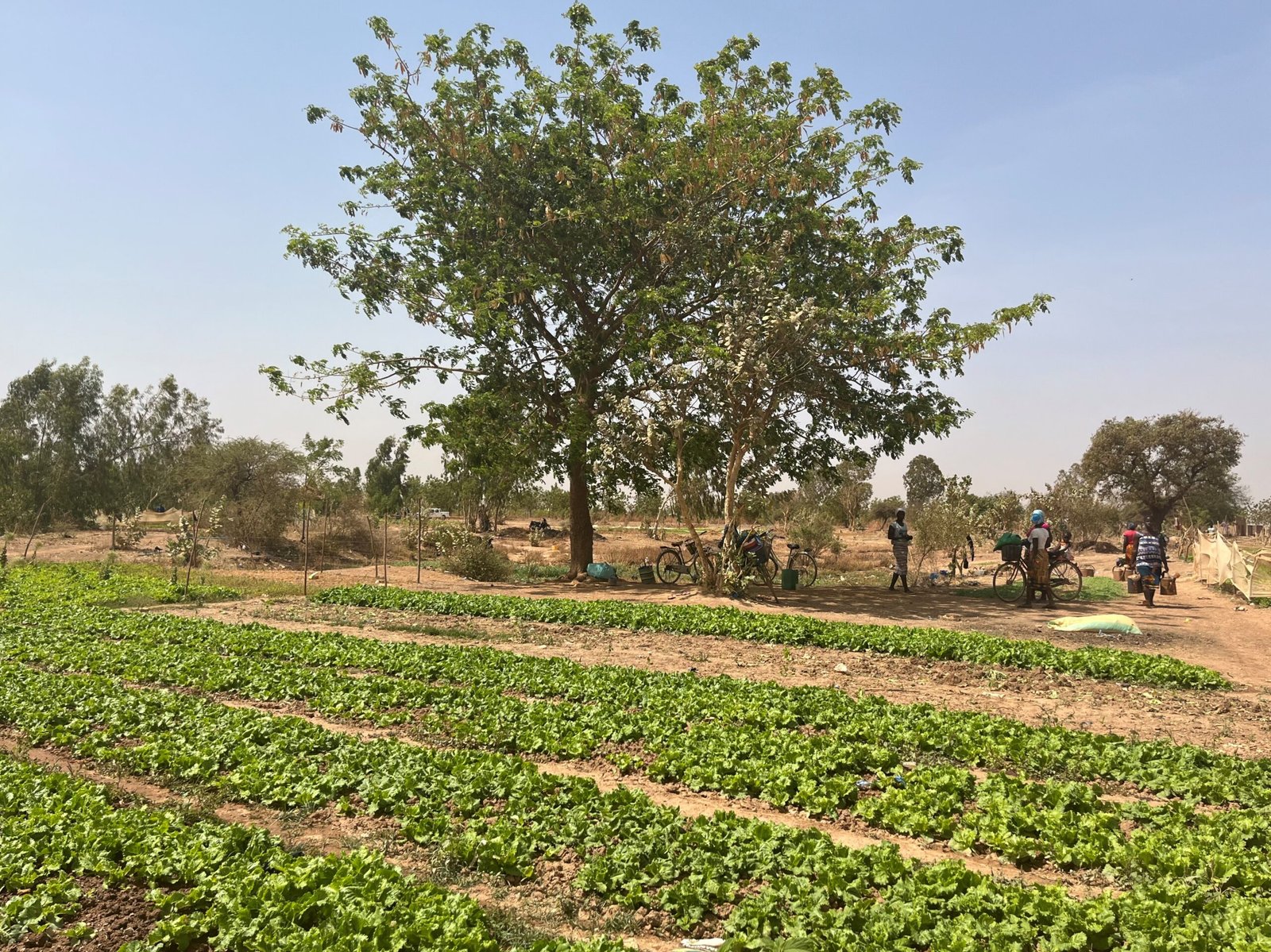 Ouagadougou Green Belt, Burkina Faso. Photo: Global EbA Fund / Fondazione ACRA.
Why does it matter?
For Ouagadougou, the Green Belt is about much more than having more trees around the city.
Vegetation can help protect soil, support biodiversity and contribute to a greener urban environment. At the same time, growing food close to the city can help provide fresh produce and create income for people who depend on agriculture. Research into farming within the Green Belt has highlighted the important role of women in this urban food system, showing that the area can provide both environmental and livelihood benefits.
There is also a wider climate question. As cities become hotter and continue to expand, maintaining areas of vegetation can become increasingly valuable. The Green Belt offers a different way of thinking about the land around a city: not simply as space waiting to be developed, but as something that can actively contribute to the wellbeing of the people living nearby.
The bigger sustainability picture
The Green Belt shows that sustainability doesn’t always involve building something new. Sometimes it means protecting and making better use of what is already there.
Its strength lies in the number of problems it is trying to address at once: degraded land, food production, livelihoods and the environmental pressures facing a growing city.
But that also makes its future complicated. A successful Green Belt isn’t simply one that stays green. It needs to remain environmentally valuable while continuing to provide something useful for the communities around it.
For Ouagadougou, the challenge is therefore not just creating green space, but keeping that space valuable as the city changes around it, and that raises an interesting question for Sustainability A–Z:
How do you protect the environment while making sure the people living alongside it can benefit too?